Ressources &
liens utiles
Retrouvez toute l'information dans votre domaine d'expertise
Retrouvez toute l'information dans votre domaine d'expertise

L'autophagie est un processus d'autodégradation hautement conservateur. Des recherches antérieures ont confirmé son importance dans la pathogenèse du cancer. Les bases de données PubMed et Google Scholar ont été consultées afin d'analyser...

Les avancées récentes dans le traitement du myélome multiple (MM), notamment les anticorps bispécifiques (BsAbs), ont amélioré le pronostic des patients. L’elranatamab, un BsAb ciblant l’antigène de maturation des cellules B (BCMA) et CD3,...
La thérapie d'entretien par lénalidomide reste une pierre angulaire du traitement post-induction dans le myélome multiple (MM), soutenue par diverses études majeures ayant démontré de meilleurs résultats avec le lénalidomide en entretien...

Maintenance therapy plays a crucial role in prolonging progression-free survival and overall survival in multiple myeloma. Lenalidomide remains the gold standard, as demonstrated in phase 3 trials, consistently showing superior survival compared to observation or placebo. However, both established and...
Novel T-cell immunotherapies (chimeric antigen receptor [CAR] T cells and T-cell redirecting bispecific antibodies) are changing the treatment landscape of relapsed or refractory multiple myeloma. In this Review, the European Myeloma Network provides recommendations to optimise both safety and efficacy...

The approval of new treatment combinations, including immunomodulatory drugs (IMiD), proteasome inhibitors (PI), and monoclonal antibodies, has significantly improved outcomes for patients with multiple myeloma (MM) over the last decade [1]. However, many patients with MM will relapse, and thus will...
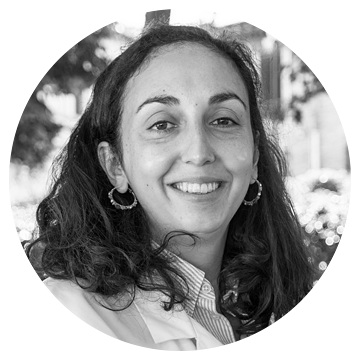
Le Dr Inès BOUSSEN est une hématologue. Elle exerce en tant que médecin praticienne au sein du service d'hématologie clinique de l'hôpital de la Pitié-Salpêtrière (AP-HP) de Paris.
Le Dr BOUSSEN s'est notamment spécialisée en hématologie-oncologie, en maladies du sang, hémopathies lymphoïdes, ainsi qu'en néphrologie et maladies infectieuses durant son internat. Elle a ensuite poursuivi son parcours professionnel avec deux clinicats, dont un en hématologie clinique et un en maladies infectieuses.
Le Dr BOUSSEN a publié une série d'articles scientifiques dans des journaux internationaux à comité de lecture, portant sur les traitements et les diagnostics des maladies hématologiques, notamment sur les candidoses hépato-spléniques chez les patients atteints de cancer du sang, ainsi que sur les maladies myéloïdes. En outre, le Dr BOUSSEN a présenté des posters et des communications orales lors de conférences nationales et internationales spécialisées.
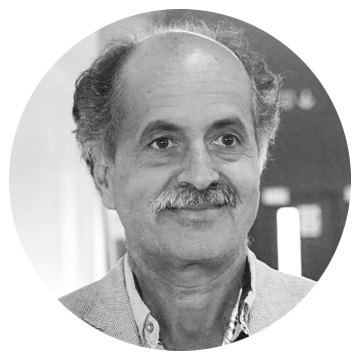
Christos CHOUAID est pneumologue, spécialisé en oncologie thoracique et diplômé en Santé publique. Il est Professeur de médecine à l'Université Paris XII, membre de l'unité Inserm U 955 et coordonne l'activité d'oncologie thoracique du Centre hospitalier Intercommunal de Créteil. Il anime le GFPC (Groupe de Pneumo Cancérologie Clinique), un réseau de recherche académique regroupant une cinquantaine de centres spécialisés en France.
Il a publié plus de 350 articles scientifiques dans des revues scientifiques internationales à comité de lecture, sur le cancer du poumon, la chimiothérapie, l'immunothérapie et les soins de support en oncologie. Ses travaux ont notamment porté sur l'optimisation des traitements du cancer du poumon, la prévention des effets secondaires de ces traitements, l'épidémiologie et la modélisation médico- économique des maladies respiratoires.
Membre de plusieurs sociétés savantes, ainsi qu'expert relecteur dans plus de 30 revues scientifiques, le Pr CHOUAID est impliqué dans la publication de recommandations pour le traitement du cancer du poumon et dans l'évaluation des nouveaux traitements contre cette maladie.
à compléter
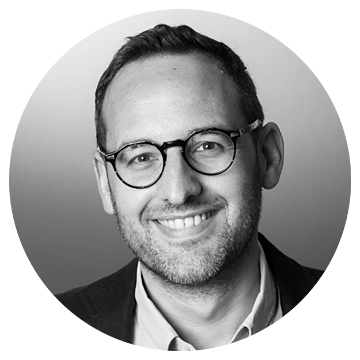
Le Pr Pierre-Yves DUMAS est un hématologue clinicien spécialisé en onco-hématologie, exerçant dans le service d'hématologie clinique et de thérapie cellulaire, du CHU de Bordeaux. Il a été nommé MCU-PH en hématologie clinique en 2018, puis PU-PH en 2021.
Le Pr DUMAS est également impliqué dans diverses fonctions transversales au CHU de Bordeaux. Il est responsable de l'axe Cancer du Centre d'Investigation Clinique (CIC)-Plurithématique 1401 du CHU de Bordeaux et chargé du groupe de Recherche Translationnelle de l'unité INSERM BRIC U1312. De plus, il est membre du conseil scientifique de la Direction de la Recherche Clinique et de L'Innovation, ainsi que membre du bureau scientifique du CRB Cancer Bordeaux Biothèque Santé.
Il est membre du bureau de la Fédération de la Cancérologie et fait partie du Conseil scientifique AAP Cancers rares INCA. Il est aussi membre de plusieurs société savante notamment de la Société Française d'Hématologie (SFH), de la European Hematology Association (EHA), French Innovative Leukemia Organization (FILO, conseil scientifique LAM), et du Group for Research on Adult Acute Lymphoblastic Leukemia (GRALL).
Le Pr DUMAS a publié de nombreux articles dans des journaux internationaux à comité de lecture, beaucoup de ses travaux portent sur la leucémie myéloïde aigüe. Il est relecteur pour de nombreuses publications prestigieuses, notamment Blood, Cancer Research, Bone Marrow Transplantation, mais également relecteur pour des organisations telles que la Ligue contre le Cancer et la Fédération Leucémie Espoir.
à compléter
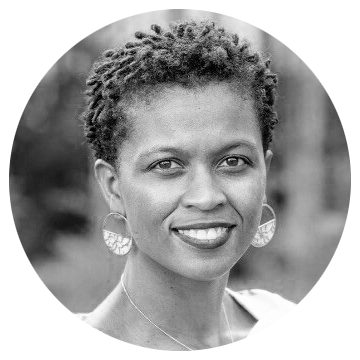
Le Dr Carole HELISSEY DANIS est une oncologue médicale, la cheffe du département d'oncologie et de l'Unité de Recherche Clinique - Plateforme Nord de l'Oncologie thoracique, à l'Hôpital d'Instruction des Armées (HIA) BEGIN. Elle est également la directrice du Centre de Coordination de la Cancérologie de cet hôpital et la directrice adjointe du Centre de Recherche Clinique de la plateforme Ile de France.
En outre, le Dr HELISSEY est la correspondante locale de la recherche à l'HIA BEGIN et elle est membre du conseil de l'école doctoral HOB (Hématologie – Oncogenèse – Biothérapies) de l'Université Paris-Cité. Elle est également membre du comité pédagogique de l'HIA BEGIN où elle enseigne aux internes en médecine et aux paramédicaux.
Le Dr HELISSEY a publié de nombreux articles dans des journaux internationaux à comité de lecture et a remporté plusieurs prix pour son travail en oncogériatrie, notamment le prix du meilleur poster ESMO 2021, la Médaille de bronze des travaux scientifiques et techniques du Service de Santé des Armées, ainsi que Médaille de bronze de la Défense Nationale.
Le Dr HELISSEY est membre du comité de rédaction, du Oncology Letters Journal, et est relectrice pour plusieurs revues scientifiques internationales dans le domaine de la cancérologie, telles que le International Journal of Oncology, et Frontiers in Oncology.
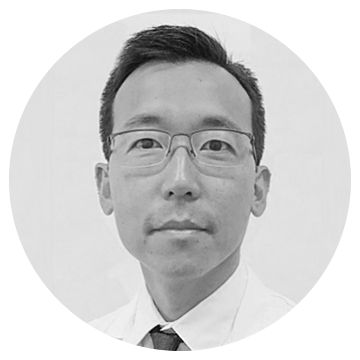
Le Pr Stefano KIM est un oncologue médical qui associe ses activités de pratique clinique à une forte implication dans le domaine de la recherche en oncologie. Il travaille actuellement au CHU de Besançon en tant que membre du Centre d'Investigation Clinique (CIC) 1431 et de l'INSERM Unité 1098, ainsi qu'en Argentine au Sanatorio Allende de Cordoba. Il est spécialisé en immunologie et biotechnologie en cancérologie, et il est également Professeur associé à l'Université Bourgogne Franche-Comté.
Le Pr Kim a également poursuivi ses recherches en oncologie médicale tout au long de sa carrière. Ses travaux de recherche portent sur l'immunothérapie et les cancers digestifs majoritairement. Il a publié de nombreux articles scientifiques en oncologie digestive dans des revues internationales à comité de lecture.
Attaché à la formation des étudiants, le Pr Kim a dirigé plusieurs projets de recherche dans le cadre de programmes de formation et de bourses de recherche pour les internes en oncologie, ainsi que les jeunes oncologues.
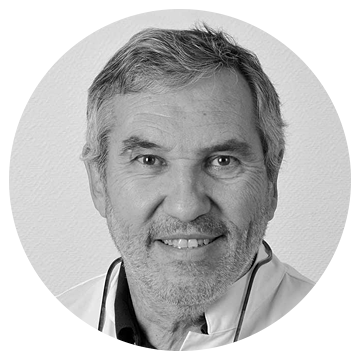
Pr. Ivan KRAKOWSKI est spécialiste en oncologie médicale et en médecine de la douleur ; il est en retraite hospitalière depuis 2019. Il est président fondateur de l'Association Francophone pour les Soins Oncologiques de Support (AFSOS) et membre du bureau de la Société Française d'Oncologie Médicale (SOFOM). Il a fondé le groupe francophone de recherche en soins oncologiques de support UNICANCER-AFSOS. Il est membre de différentes sociétés savantes internationales, dont l'European Society of Clinical Oncology (ESMO), la Multinational Association for Supportive Care in Cancer (MASCC), et a été membre de l'American Society of Clinical Oncology (ASCO) et de l'International Association for the Study of Pain (IASP).
Le Pr. KRAKOWSKI a été médecin des Centres de Lutte Contre le Cancer (groupe national UNICANCER). Il a exercé comme médecin spécialiste en oncologie à l'Institut Alexis Vautrin, où il a aussi été chef de service et président de la commission médicale d'établissement. De plus, il a coordonné le Département Interdisciplinaire de Soins de Support pour le Patient en Oncologie à l'Institut Bergonié à Bordeaux.
Le Pr. KRAKOWSKI a été Président de la Société Française d'Evaluation et de Traitement de la Douleur (SFETD) et du groupe de traitement médicaux des cancers (GTMC). Le Pr. KRAKOWSKI a été membre des Groupes nationaux Tumeurs Uro-Génitales (GETUG) et de différents groupes d'experts. Il a été membre du conseil scientifique de l'Ecole de Formation Européenne en Cancérologie (EFEC) et rédacteur en chef adjoint des revues médicales francophones "Oncologie"" et "Douleur et Analgésie".
Il a été investigateur ou coordinateur d'environ 50 études cliniques dans le domaine de la cancérologie, des traitements spécifiques et des traitements de support. Il est l'auteur d'environ 100 publications nationales et internationales avec ou sans comité de lecture.
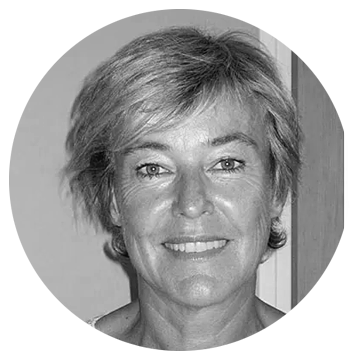
Le Pr Véronique LEBLOND, professeur émérite à Sorbonne Université, est hématologue ancienne cheffe du service d'hématologie clinique de l'Hôpital de la Pitié-Salpêtrière (AP-HP) de Paris.
Le Pr LEBLOND a consacré sa carrière à la recherche et au traitement des maladies du sang, en particulier les pathologies lymphoïdes (Leucémie lymphoïde chronique, maladie de Waldenström et lymphomes de l'immunodéprimés). Elle a dirigé pendant 15 ans le groupe coopérateur français dédié à ces hémopathies chroniques et plusieurs essais cliniques nationaux et internationaux pour développer de nouveaux traitements en particulier dans la maladie de Waldenström. Elle a également publié plus de 400 articles, revues et chapitres de livre sur les hémopathies lymphoïdes chroniques et d'autres maladies hématologiques dans des revues médicales internationales à comité de lecture.
Elle a reçu plusieurs prix et distinctions pour son travail, notamment la Légion d'honneur en 2008. Elle est également impliquée dans des activités de sensibilisation et d'éducation du public sur les maladies du sang avec la participation au comité scientifique de plieurs associations de patients nationales et internationales. Elle participe régulièrement à des conférences et des événements pour informer les patients, les soignants et le grand public sur les dernières avancées dans le traitement des maladies hématologiques.
à compléter